
Protect Your Future with Long-Acting HIV Prevention
Learn about Lenacapavir (LEN) — a new injectable PrEP that protects you from HIV with just two injections a year.

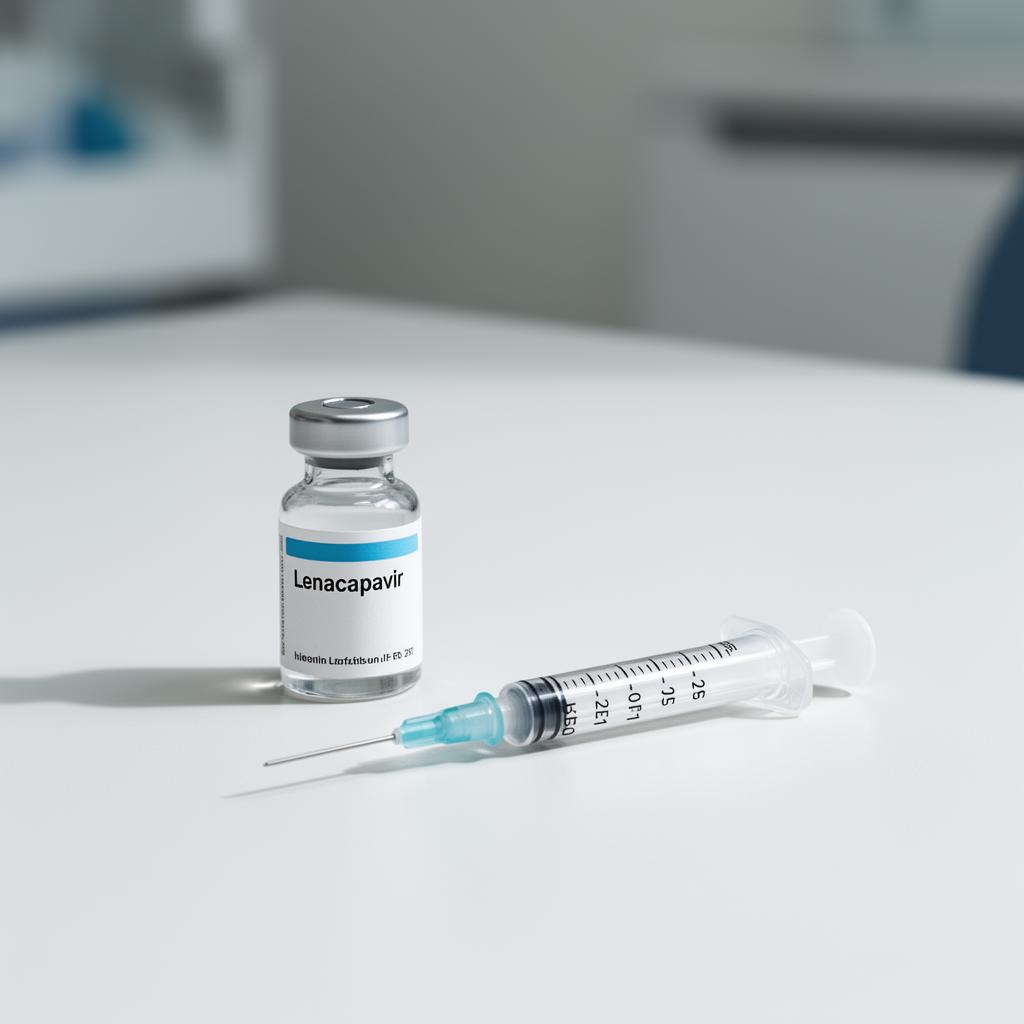


A new chapter in HIV prevention
Lenacapavir (LEN) is a breakthrough long-acting PrEP option being introduced nationally by the Ministry of Health to help end new HIV infections in Lesotho.
What is LEN?
Lenacapavir is a long-acting injectable medicine used to prevent HIV — a new form of PrEP.
How It Works
LEN blocks HIV from entering and multiplying in your body, providing months of protection per dose.
Benefits
Just two injections a year. Private. Convenient. No daily pills to remember.
Safety
Approved and monitored by health authorities. Common side effects are usually mild.
Simple. Long-lasting. Discreet.
Just four steps — twice a year — for ongoing HIV prevention.
Visit a clinic
Speak with a trained health worker. Get tested for HIV and screened for eligibility.
Receive your injection
LEN is given as a simple subcutaneous injection by a trained provider.
Stay protected
Each dose protects you for around 6 months. No daily pills required.
Return in 6 months
Come back for your next injection to keep your protection continuous.
A 60-second eligibility guide
Answer a few questions to see if LEN may be suitable. This is guidance — not a medical diagnosis.
How old are you?
Let's separate myth from medicine
LEN causes infertility
There is no evidence that Lenacapavir affects fertility in any way.
LEN is only for certain groups
LEN is for any HIV-negative person who may benefit from PrEP — women, men, young people and key populations.
LEN replaces condoms
LEN prevents HIV. Condoms also prevent other STIs and pregnancy — use them together for fullest protection.
LEN is experimental
LEN is approved by global regulators and being rolled out in Lesotho through the Ministry of Health.
LEN is unsafe
Like all medicines, LEN has side effects, but they are generally mild. Clinical evidence shows a strong safety profile.
If I take LEN I do not need HIV testing
An HIV test is required before each dose to make sure LEN is still right for you.
Help, when you need it
Three trusted ways to get accurate information and connect with care.
AI Chatbot
Get instant answers about LEN, PrEP and HIV prevention — 24/7 and confidential.
WhatsApp Consultant
Speak with a trained Ministry of Health consultant. Ask questions and get a referral.
Open WhatsAppFind a Clinic
Locate the nearest public health facility offering LEN. Filter by district.
Open clinic mapFind LEN near you
Public clinics across all 10 districts of Lesotho are being equipped to offer Lenacapavir. Search by facility name, town or district.
Frequently asked questions
Comparing HIV prevention methods
Every method below prevents HIV. Compare them and speak to a health worker about what fits your life.
LEN (Lenacapavir)
- Effectiveness
- More than 96% effective when used as prescribed
- Dosing
- 2 injections a year (every 6 months)
- Prevents HIV all over the body.
- Given as two injections every 6 months (with tablets when starting).
- Can be used by pregnant and breastfeeding people — discuss with a provider.
- Very private; no one will know unless you choose to tell them.
- Mild side effects (injection site pain, swelling or a small lump) usually settle over time.
- Clinic visit to start, follow-up after 1 month, then every 6 months.
CAB-LA (Injectable Cabotegravir)
- Effectiveness
- About 90% more effective than daily oral PrEP in trials
- Dosing
- 1 injection every 2 months
- Prevents HIV all over the body.
- One intramuscular injection in the buttock every 2 months, after two starter doses one month apart.
- No daily pills to remember; discreet between visits.
- Requires an HIV test before every injection.
- Common side effects are injection site pain or a lump, headache and fever-like feelings.
- Clinic visit every 2 months — good for people who can keep a regular appointment.
Daily Oral PrEP
- Effectiveness
- More than 90% effective
- Dosing
- 1 pill every day
- Prevents HIV all over the body, including during injection drug use.
- One pill a day, every day.
- Can be used by pregnant and breastfeeding people.
- Can be kept private — pills can be hidden.
- Mild side effects like headache and nausea go away after 1–2 weeks.
- Clinic visit to start, follow-up after 1 month, then every 3 months.
PEP
- Effectiveness
- More than 80% effective — must start within 72 hours
- Dosing
- 1 pill a day for 28 days, starting within 72 hours
- Prevents HIV AFTER a possible exposure, if started within 72 hours.
- One pill a day, every day for 28 days.
- Can be used by pregnant and breastfeeding people.
- Can be kept private — pills can be hidden.
- Moderate side effects like headache and nausea, easing after 1–2 weeks.
- Clinic visit to start, then follow-up as advised by the provider.
Condoms
- Effectiveness
- 98% effective with perfect use
- Dosing
- Every time you have sex
- Prevents HIV from vaginal or anal sex.
- The only method that also prevents other STIs and pregnancy.
- Can be used by pregnant and breastfeeding people.
- Must be negotiated with a partner.
- No side effects.
- Free from many convenient places — regular HIV testing is advised.
Treatment for a Partner Living with HIV
- Effectiveness
- Very effective when the partner is virally suppressed
- Dosing
- 1 pill a day for life — taken by your partner
- A partner living with HIV who is virally suppressed cannot pass the virus on.
- One pill a day, every day for life — for the partner living with HIV.
- No side effects for you.
- Works best combined with your own prevention method while suppression is confirmed.
- No clinic visits for you, but you can accompany your partner. Regular HIV testing is advised.
VMMC
- Effectiveness
- Up to 60% effective for the person who is circumcised
- Dosing
- One procedure, lifelong effect
- Reduces HIV risk only for the circumcised person, only through sexual exposure.
- Medical procedure with a permanent effect.
- Not available for people who do not have a penis.
- Some side effects and mild pain for up to 10 days after the procedure.
- Best combined with condoms or PrEP for fuller protection.
PrEP Ring (Dapivirine vaginal ring)
- Effectiveness
- Reduces HIV risk by about 30% with consistent use
- Dosing
- One ring, replaced every month
- A soft, flexible ring a woman inserts herself and replaces monthly.
- Works locally in the vagina, so whole-body side effects are minimal.
- Discreet and can be used without a partner's involvement.
- Must stay in place all month for protection to work.
- Does not prevent pregnancy or other STIs — use condoms too.
Still have questions?
Chat with Kena the Bot for instant, confidential answers about any of these prevention methods.
Guidance only — a health worker will help you choose. Condoms remain the only method that also prevents other STIs and pregnancy.
Your health. Your choice. Your future.
Take the next step toward long-acting HIV prevention with Lenacapavir.